
Guarding a place for nature
We're creating a safe haven for wildlife this Garden Wildlife Week (26 May - 1 June). The week, which runs annually, is a fantastic opportunity for residents, staff, and friends of Abbeyfield to explore and learn about the wonderful creatures that share our outdoor spaces.
This week is all about celebrating, protecting, and encouraging garden wildlife where you live. Whatever kind of outdoor space you have, big or small, it's possible to create a safe and welcoming haven for nature.
Why garden wildlife matters
The United Kingdom faces a significant challenge when it comes to its natural environment. According to the WWF, over 14% of native species are on the brink of extinction, and more than 40% are seeing their populations decline.
Biodiversity – the variety of wildlife in your garden – is essential for a healthy ecosystem. Without a diverse range of animals and plants, we wouldn't have the clean air we breathe or the food we eat. Pollinators that help our food grow, bugs that enrich the soil, and plants that provide oxygen are all essential for our physical wellbeing. Plus, a vibrant and colourful outdoor space can have positive effects on your mental health.
Abbeyfield houses and homes come in all shapes and sizes, and so do their surrounding spaces. Some have landscaped gardens, while others feature smaller, more intimate spaces, ideal for relaxing. No matter the size, all are home to a wonderful array of wildlife, both large and small.
During Garden Wildlife Week, there are so many ways to discover something new in your garden, encourage animals, birds, and insects to visit, and get creative around the theme of wildlife.
Build a safe haven
One of the best ways to invite wildlife into your garden is to provide them with homes that meet their needs – much like we do for our residents. We've chosen five animal homes and feeders you might like to create, complete with instructions.
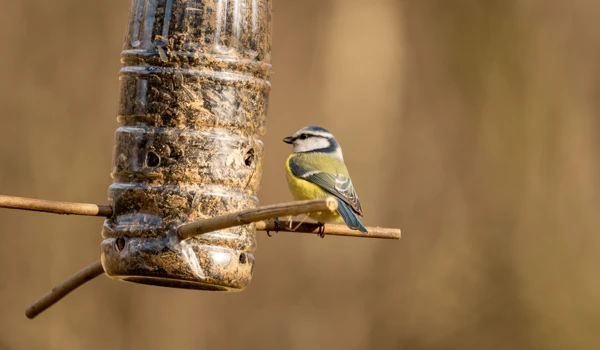
Recycled or Cake Bird Feeder
Help birds find food and shelter. These simple feeders are fun to decorate, and you can enjoy watching your feathered friends at work
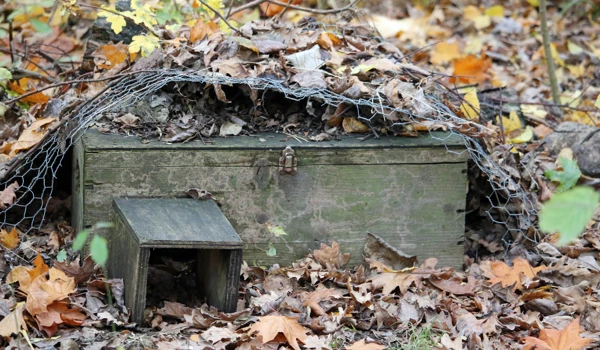
Hedgehog House
Hedgehog houses are crucial for hibernation in winter and for nesting mothers in spring and summer. These prickly pals are also important for controlling other bugs that might harm your plants.
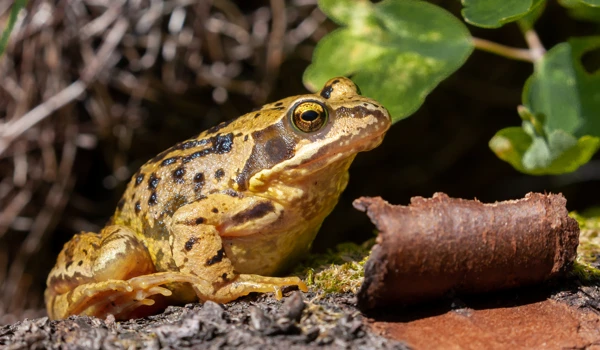
Frog House
While frogs and toads don't hibernate, they become inactive in winter. Frogs prefer wetter conditions and can breathe through their skin!
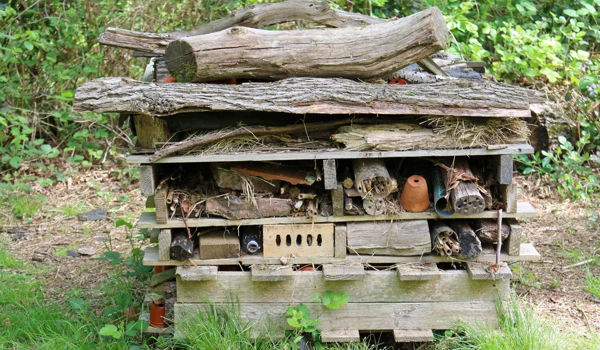
Bug Hotel
A well-made bug hotel can offer shelter for bees, woodlice, spiders, frogs, and hedgehogs, especially during cooler months, helping to secure the future of your garden's wildlife.
Plant a seed
Spring and early summer are fantastic times for planting! While you might think of things winding down later in the year, your garden is thriving with life right now.
This could be the perfect time to plant new trees, shrubs, climbers, flowers, and hedges. Giving them a head start allows them to establish strong roots, setting them up for success.
You can find excellent free guides on what, when, and where to plant on the RHS and Tree Council websites. Your local garden centre or tree nursery can also offer tailored advice.
Join us
Join us in exploring the biodiversity in your garden this Garden Wildlife Week (26 May - 1 June). By creating safe habitats and choosing wildlife-friendly plants, we can play a key role in protecting the UK's wildlife. Let's work together to make our outdoor spaces thriving havens for all creatures great and small.
Read more Articles & News

24/02/2026
Speedwell resident raises funds for children's hospice
Fay at Speedwell Court raised vital funds for Naomi House & Jacksplace children's hospice by selling her handcrafted Christmas ornaments.
Read More
24/02/2026
Abbeyfield residents welcome David Smith MP
David Smith MP visits Abbeyfield House in Warkworth to discuss local issues and the future of sheltered housing with residents and staff.
Read More
23/02/2026
Solihull residents mark 70 years of community living
Residents at Hampton House stepped back in time as they celebrated with a day of music, memories and a special anniversary lunch.
Read More