
Why sharing the practical care allows you to focus on being a family again
The decision to move a loved one into 24-hour care is one of the most emotional and challenging experiences a family can face. For many spouses and family members, it carries a deep sense of guilt and can feel like breaking a promise, especially within marriages where the commitment to care "in sickness and in health" was always assumed to mean at home, for as long as possible.
It is only natural to feel that family should be the ones to provide this care, with love, loyalty, and duty at the very centre of this. Yet, as dementia progresses, even the most devoted families often find themselves pushing far beyond their physical and emotional limits to keep those promises.
When home care is no longer enough
The reality is that supporting someone with advanced dementia eventually becomes more than any one person can safely manage alone. The days and nights can bring constant unpredictability and keeping a loved one safe and well is a task that may eventually require round-the-clock care.
A parent or spouse might wander from the house at night, believing they need to go to work or the shops, or they might leave household appliances on, mismanage their medication, fall, or experience sudden distress that requires an immediate, loving response. Research shows that wandering, falls and domestic accidents become very real concerns as the condition progresses, which makes safety a constant priority.
Even with the valuable support of home carers visiting several times a day, there are still long, quiet gaps where the responsibility rests entirely on family members. This can create a constant state of alertness, with many spouses and children describing the feeling of "sleeping with one ear open," which naturally leads to exhaustion and a feeling of never being able to fully switch off.
Enjoying life with others again
This worry is widely recognised in caregiving literature, which links long-term, unsupported care with higher rates of anxiety, depression and fatigue. The Marmot Review (2020) also highlights how unpaid caring can take a heavy toll on health, wellbeing and a person's own self-care.
Burnout does not happen all at once but builds gently over time. What starts as a pure act of love can slowly turn into exhaustion, sometimes accompanied by a secondary layer of guilt just for feeling so tired.
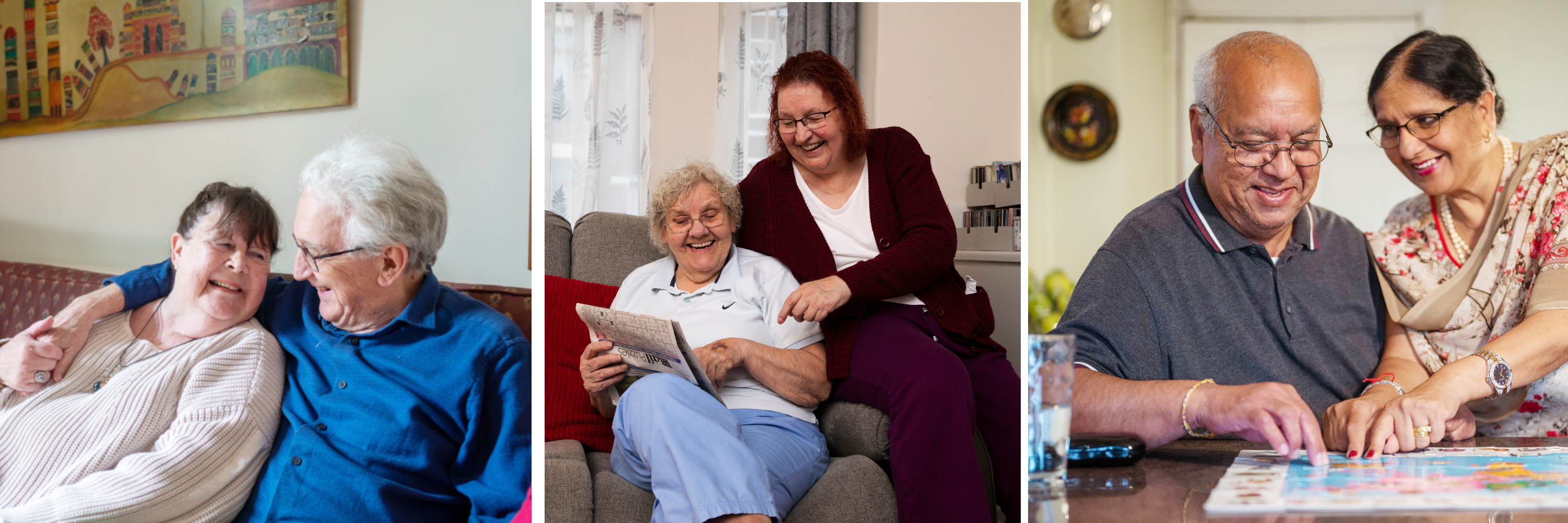
Rather than looking at residential care because managing at home has become too difficult, families often make this choice because they want their loved one to enjoy a fuller, more active life. When staying at home, it is very easy for an older person to become isolated, miss out on regular activities, or lose their confidence. A dedicated care home can offer them a friendly community where they can stay active, feel safe and enjoy the company of others.
Sharing the care
Moving a loved one into a residential home does not mean your care for them stops; it means sharing the practical care with a professionally trained team. No one knows your loved one better than you do, but having qualified staff there to handle the care routines can help lift some of the load, and offer the reassurance that support is always there, day or night.
This shared approach also means your loved one has regular opportunities to chat, join in activities and spend time with others, helping them maintain social connections and enjoy meaningful daily experiences.
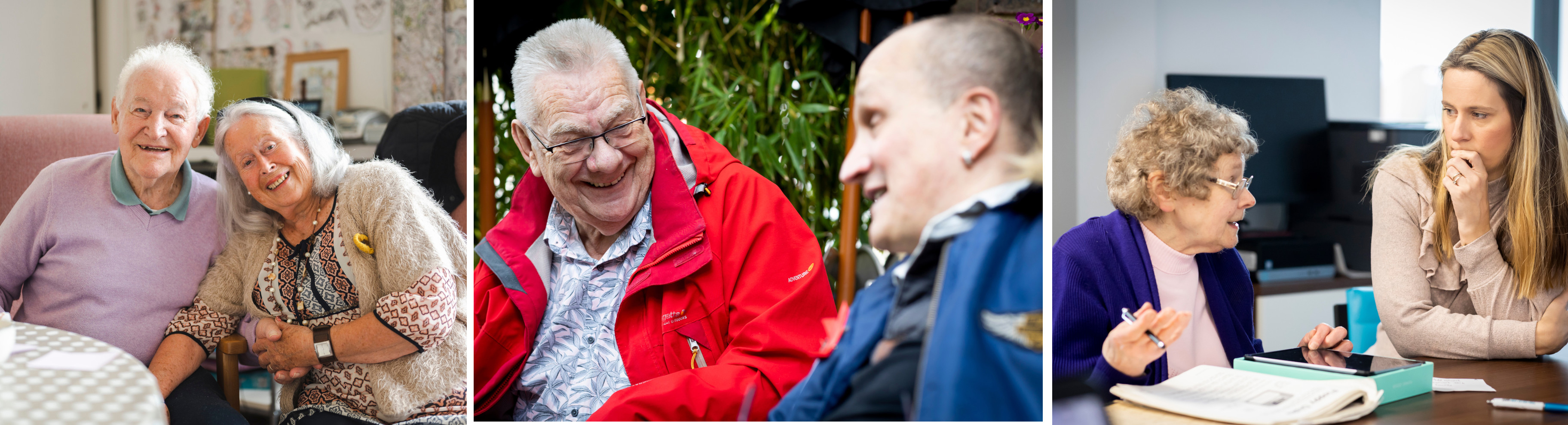
It is never an easy step to take, but handing over the hands-on care means you can go back to being a partner, parent, or child again. Visits stop being a checklist of tasks and can become about sitting together, having a cup of tea, holding hands, or just having a chat.
An act of love and protection
Reframing the situation in this way is so important, because choosing 24-hour care is never a failure to care, but a choice made from love and concern. It recognises the natural limits of what one person can do, especially as a loved one's needs grow beyond what can be safely managed at home.
Written by Katharine Kirk (2026)
References
Alzheimer’s Society (2023) Wandering and dementia risk guidance
Prince, M. et al. (2016) World Alzheimer Report
Marmot, M. (2020) Health Equity in England: The Marmot Review 10 Years On
We understand how challenging it can be to reach this point and how much thought goes into making this decision. At Abbeyfield, our care homes and specialised dementia homes are here to help share that responsibility. By looking after the practical routines of caring, we want to give you the time and space to step back from the worry and just focus on being a family member again, whether that means sharing a quiet afternoon, enjoying a talk over lunch, or just being there for one another as you always have been.
Next steps
According to the NHS there are currently 850,000 people in the UK who are living with dementia. Conversations with loved ones with dementia can sometimes be difficult to understand which can be upsetting for family members. Yet, the more you speak with your loved one, the more you’ll be able to adjust and change what you say to continue to have meaningful and thoughtful conversations.
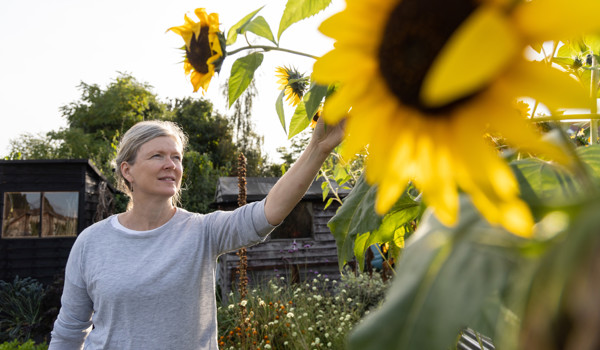
At Abbeyfield, we want all of our residents living with dementia to live the way they want which is why we offer Dementia Friends information sessions to all.

A list of helpful organisations for those living with dementia.